
Past Kiwis

In Aotearoa/New Zealand’s short but exciting history, many amazing people have paved the way for others. Together, they’ve made New Zealand a special and powerful place to call home.
You can be part of this story too. What path will you blaze?
Ernest Rutherford

Meet Ernest Rutherford: The Father of Nuclear Physics from New Zealand
Ernest Rutherford was born in 1871 on a farm in Brightwater, New Zealand. He was one of 12 kids and loved learning about science from a young age.
Ernest became one of the most important scientists ever by discovering how atoms really work. He found out that atoms have a tiny, dense center called the nucleus, and he discovered particles like the proton. His famous gold foil experiment changed how we understand everything around us!
He also studied radioactivity, which is how some elements give off energy, and his work helped lead to nuclear energy and even the atomic bomb.
Ernest won the Nobel Prize in Chemistry in 1908 and was honored all over the world. Even today, scientists build on his discoveries.
Ernest’s story shows that curiosity and hard work can unlock the secrets of the universe. What mystery do you want to explore?
Kate Sheppard

Meet Kate Sheppard: New Zealand’s Women’s Rights Hero
Kate Sheppard was born in 1847 in England and moved to New Zealand as a young woman. She believed strongly that women deserved the right to vote and have a say in how their country was run.
In the late 1800s, Kate became a leader in the fight for women’s voting rights. She helped organize a huge petition signed by over 32,000 women, which was presented to the New Zealand Parliament in 1893. Because of her hard work and determination, New Zealand became the first country in the world to give women the right to vote!
Kate’s work didn’t stop there she also fought for women’s education and social reforms. Today, she’s remembered as a national hero, and her face is even on New Zealand’s $10 banknote.
Kate’s story shows that standing up for what’s right can change the world. What cause do you believe in enough to fight for?
Edmund Hillary

Meet Sir Edmund Hillary: New Zealand’s Legendary Explorer
Edmund Hillary was born in 1919 in Auckland, New Zealand. He loved the outdoors and climbing from a young age. After serving in World War II, Edmund focused on his passion for mountaineering.
In 1953, Edmund and Tenzing Norgay made history by becoming the first people to reach the top of Mount Everest—the highest mountain in the world! Their climb was tough and dangerous, but their teamwork and determination helped them succeed.
Edmund didn’t stop there. He explored Antarctica and helped the Sherpa people of Nepal by building schools and hospitals through the Himalayan Trust.
He was knighted for his achievements and is remembered as one of New Zealand’s greatest heroes. Edmund’s story shows that courage, hard work, and kindness can take you to the highest peaks both literally and in life.
What’s your mountain to climb?
Michael Joseph Savage

Meet Michael Joseph Savage: New Zealand’s People’s Prime Minister
Michael Joseph Savage was born in 1872 in Australia but grew up in New Zealand. He left school early to help support his family and worked many jobs before getting involved in politics.
During the Great Depression, when many people in New Zealand were struggling with unemployment and poverty, Michael became the leader of the Labour Party. In 1935, he became Prime Minister and worked hard to make life better for everyday people.
Michael’s government created New Zealand’s welfare state introducing unemployment benefits, old-age pensions, and improving access to healthcare and education. They also built roads, schools, and bridges to create jobs.
He was called the “People’s Prime Minister” because he cared deeply about fairness and making sure no one was left behind.
Michael’s story shows that standing up for others and fighting for justice can change a whole country. What’s one way you want to make a difference?
Āpirana Ngata

Meet Āpirana Ngata: A Leader for Māori Culture and Rights
Āpirana Ngata was born in 1874 in Ngāti Porou territory, New Zealand. He was one of the first Māori to get a law degree and became a powerful voice for his people.
Āpirana worked hard in politics to help Māori keep and develop their land, making it stronger and more productive. He also fought to protect Māori culture like language, carving, weaving, and music so it wouldn’t be lost.
He believed education was the key to success and helped create scholarships and schools where Māori kids could learn both their own culture and new skills.
Āpirana’s work helped build a bridge between Māori traditions and modern New Zealand, inspiring generations to be proud of who they are and where they come from.
His story shows that honoring your roots while embracing the future can make a huge difference. What part of your culture or story do you want to celebrate?
Hōne Heke

Meet Hōne Heke: A Māori Leader Who Stood Up for His People
Hōne Heke was a chief of the Ngāpuhi tribe in northern New Zealand, born around 1807. He lived during a time when Māori and European settlers were starting to interact more, which brought big changes.
At first, Heke signed the Treaty of Waitangi in 1840, hoping it would protect Māori land and rights. But when the British didn’t keep their promises, Heke took a stand. He famously cut down the British flagpole in the Bay of Islands several times to show he didn’t accept their control.
This led to the Flagstaff War, where Heke and his people fought against the British to defend their land and independence. Though the war ended without a clear victory, Heke’s courage made him a symbol of Māori resistance.
Hōne Heke’s story shows that standing up for what you believe in, even against big challenges, can inspire others and make history. What would you stand up for?
Truby King

Meet Truby King: New Zealand’s Child Health Pioneer
Truby King was born in 1858 in New Zealand and became a doctor who cared deeply about the health of babies and mothers. Back then, many babies didn’t survive their first year, and Truby wanted to change that.
He started the Plunket Society in 1907, which helped teach parents how to care for their babies with good nutrition, hygiene, and love. Plunket nurses became a big part of New Zealand’s health system, helping families all over the country.
Truby believed breastfeeding was really important and that clean, healthy habits could save lives. His work helped make New Zealand one of the best places for babies to grow up healthy.
While some of his ideas about genetics are now seen as wrong, his dedication to helping children and families is still remembered today.
Truby’s story shows how one person’s passion can make a huge difference in people’s lives. How can you use your talents to help others?
Jean Batten
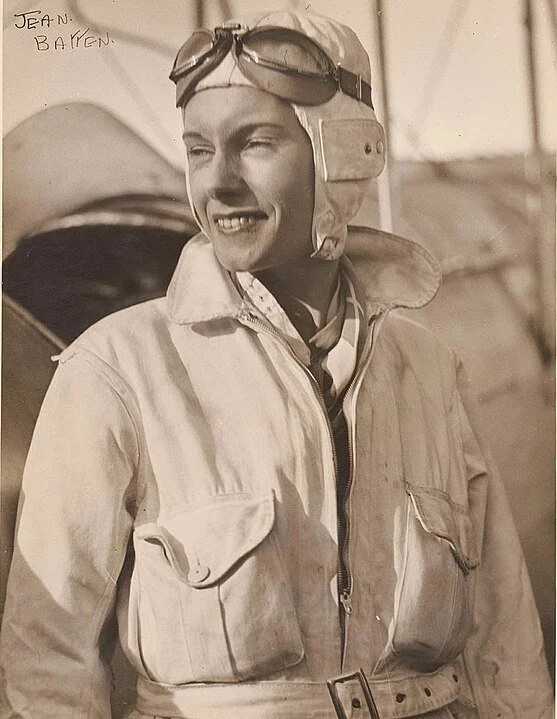
Meet Jean Batten: New Zealand’s Queen of the Skies
Jean Batten was born in 1909 in Rotorua, New Zealand. From a young age, she dreamed of flying and became one of the world’s most famous female pilots during a time when flying was mostly done by men.
In 1934, Jean made history by flying solo from England to New Zealand, a journey of about 11,000 miles! She broke records by completing the trip faster than anyone before her. She went on to set more records flying between England, Australia, and New Zealand, earning her the nickname “Queen of the Air.”
Jean’s courage and determination showed that girls could do anything they set their minds to even flying across the world alone!
Though she faced challenges later in life, Jean’s legacy lives on. She inspires young people everywhere to chase their dreams and break barriers.
What’s your dream that feels as big as the sky?
Brian Barratt-Boyes

Meet Sir Brian Barratt-Boyes: New Zealand’s Heart Surgery Pioneer
Brian Barratt-Boyes was born in 1927 in Auckland, New Zealand. He became one of the world’s leading heart surgeons and helped save countless lives through his groundbreaking work.
In the 1950s and 60s, heart surgery was still new and risky, but Brian was one of the first in New Zealand to perform complex operations that changed the game. He played a big role in New Zealand’s first heart transplant and helped set up the Auckland Heart Unit, a top center for heart care.
Brian wasn’t just a skilled surgeon he also taught and mentored many young doctors, shaping the future of heart surgery in New Zealand and beyond.
His story shows that with skill, courage, and compassion, you can make a huge difference in people’s lives. What’s a challenge you want to tackle to help others?
Peter Snell

Meet Peter Snell: New Zealand’s Running Legend
Peter Snell was born in 1938 in Opunake, New Zealand. He started out playing rugby but soon found his true talent in running. With hard work and the help of his coach Arthur Lydiard, Peter became one of the best middle distance runners in the world.
At the 1960 Olympics in Rome, Peter won his first gold medal in the 800 meters. Four years later, at the Tokyo Olympics, he made history by winning gold in both the 800 meters and the 1,500 meters the first man ever to do that at the same Games!
Peter set world records and inspired athletes around the world with his dedication and smart training. After retiring, he became a coach and scientist, studying how training affects the body.
Peter’s story shows that with focus, determination, and the right support, you can achieve amazing things. What’s your goal, and how will you run toward it?
Bill Pickering
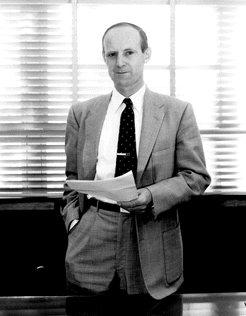
Meet Sir Bill Pickering: New Zealand’s Space Explorer
Bill Pickering was born in 1910 in Gisborne, New Zealand. He loved science and engineering and went on to become a key leader in the world’s space exploration efforts.
Bill worked at NASA’s Jet Propulsion Laboratory (JPL) in the United States, where he helped design spacecraft that explored the Moon, Mars, and other planets. He led the Ranger program, which sent the first successful photos back from the Moon, helping prepare for the Apollo missions.
Under Bill’s leadership, JPL also launched missions to Mars and the outer planets, including the famous Voyager spacecraft that still sends data from deep space!
Bill’s story shows that with curiosity, hard work, and big dreams, you can reach for the stars literally! What’s your dream that feels out of this world?
Janet Frame

Meet Janet Frame: New Zealand’s Brave Storyteller
Janet Frame was born in 1924 in a small town in New Zealand. She faced many challenges growing up, including being wrongly diagnosed with a mental illness and spending years in hospitals. But through it all, Janet found strength in writing.
Her books and poems explore deep feelings like loneliness, identity, and hope. Her first novel, Owls Do Cry, and her autobiography, An Angel at My Table, show her courage and unique way of seeing the world.
Janet’s story teaches us that even in tough times, creativity and honesty can help us understand ourselves and connect with others.
Her writing continues to inspire people around the world to be brave and true to themselves. What story do you want to tell?
Te Rauparaha

Meet Te Rauparaha: A Māori Warrior and Leader
Te Rauparaha was born around 1768 in New Zealand and became a powerful chief of the Ngāti Toa tribe. He was known for his bravery, smart strategies, and leadership during a time when different tribes fought over land and resources.
Te Rauparaha used new weapons called muskets to help his people win battles and moved his tribe to new areas, including Kapiti Island, which became their stronghold.
He also played a role in the Treaty of Waitangi, an important agreement between Māori chiefs and the British government. Though he was careful about trusting the British, he wanted to protect his people’s rights.
Te Rauparaha is famous for creating the haka "Ka Mate," a traditional Māori war dance that celebrates life and strength. Today, the All Blacks rugby team performs this haka before their games.
Te Rauparaha’s story shows how courage, leadership, and culture can shape history. What kind of leader do you want to be?
Colin Meads

Meet Sir Colin Meads: New Zealand’s Rugby Legend
Colin Meads was born in 1936 in a small village in New Zealand. Growing up on a farm, he learned the value of hard work and became one of the toughest and most skilled rugby players ever.
He played for the All Blacks from 1957 to 1971, earning 55 test caps and becoming captain in 1966. Known for his strength, fearless tackling, and smart play, Colin was a key part of the team’s success during his career.
After retiring, Colin stayed involved in rugby as a coach and commentator, sharing his passion and knowledge with the next generation.
He was knighted in 1999 for his services to rugby and is remembered as one of the greatest players in the world.
Colin’s story shows that dedication, courage, and teamwork can make you a true champion. What’s your game plan to be a leader in your own life?
Whina Cooper

Meet Whina Cooper: A Strong Leader for Māori Rights
Whina Cooper was born in 1895 in the North Island of New Zealand. She grew up deeply connected to her Māori culture and the land, which inspired her to fight for her people’s rights.
Whina helped start the Māori Women’s Welfare League to support Māori women and families. But she’s best known for leading the Māori Land March in 1975, when she was 79 years old! She walked over 1,000 kilometers with others to protest the loss of Māori land and to demand justice.
Her courage and determination made her a symbol of strength for Māori people and all New Zealanders. Whina showed that no matter your age, you can stand up for what’s right and make a difference.
Whina’s story teaches us about resilience, leadership, and the power of standing together. What cause would you march for?
Katherine Mansfield

Meet Katherine Mansfield: New Zealand’s Modern Storyteller
Katherine Mansfield was born in 1888 in Wellington, New Zealand. She grew up in a wealthy family but wanted to follow her own path as a writer.
Katherine moved to London as a teenager and became part of a group of writers who changed how stories were told. She wrote short stories that focused on feelings, relationships, and the small moments that make life real.
Some of her famous stories, like The Garden Party and Bliss, explore how people see the world differently and deal with complicated emotions.
Katherine faced many challenges, including illness and tough relationships, but she used her experiences to create powerful, honest stories.
Her writing changed literature forever and still inspires readers today. What feelings or stories do you want to share with the world?
Richard Pearse

Meet Richard Pearse: New Zealand’s Early Flying Inventor
Richard Pearse was born in 1877 in a small town in New Zealand. He grew up on a farm and loved tinkering with machines and dreaming about flying.
Around 1902 or 1903, Richard built his own flying machine and may have flown it before the famous Wright brothers did! His plane was different and ahead of its time, with big wings and a unique design.
Even though Richard didn’t become famous during his life, his work helped pave the way for modern aviation. Today, he’s celebrated as a Kiwi hero who dared to dream big and reach for the sky.
Richard’s story shows that curiosity and determination can lead to amazing discoveries. What’s your big dream?
Te Whiti o Rongomai
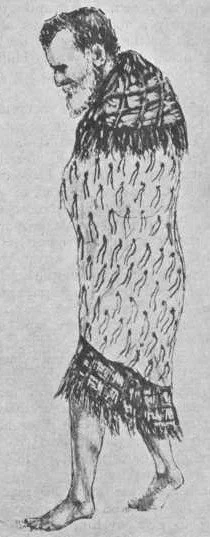
Meet Te Whiti o Rongomai: A Leader of Peace and Resistance
Te Whiti o Rongomai was a Māori chief born around 1830 in New Zealand. He became famous for leading a peaceful movement to protect Māori land and rights during a time when many Māori were losing their land to European settlers.
Te Whiti and his people built a village called Parihaka, where they lived peacefully and stood up against unfair land confiscations without violence. When soldiers tried to take their land, Te Whiti and his followers didn’t fight back they used peaceful protest to show their strength.
In 1881, the government raided Parihaka, but Te Whiti’s commitment to peace inspired many. His leadership showed that you can stand up for what’s right without using violence.
Te Whiti’s story teaches us about courage, respect, and the power of peaceful resistance. What peaceful change would you like to see in your community?
Peter Buck

Meet Peter Buck (Te Rangi Hīroa): A Leader for Māori Health and Culture
Peter Buck, also known as Te Rangi Hīroa, was born in 1877 in New Zealand. He was one of the first Māori to become a doctor and worked hard to improve the health of Māori communities.
Peter didn’t stop there—he was also a scholar who studied and preserved Māori culture, language, and traditions. He wrote important books about Māori history and helped make sure these stories were not forgotten.
He served as a Member of Parliament, fighting for Māori rights and better living conditions. Peter’s work helped bridge the gap between Māori culture and the wider world.
His story shows that you can use your talents to help your people and keep your culture alive. What part of your heritage do you want to celebrate and share?
Maurice Wilkins

Meet Maurice Wilkins: New Zealand’s DNA Detective
Maurice Wilkins was born in 1916 in New Zealand but grew up in England. He was a scientist who helped discover the shape of DNA the molecule that carries the instructions for life.
Maurice used a special technique called X-ray crystallography to take pictures of DNA. These pictures helped scientists figure out that DNA looks like a twisted ladder, called a double helix.
He worked with other famous scientists like Rosalind Franklin, James Watson, and Francis Crick. Together, they unlocked one of the biggest mysteries in biology, which changed how we understand genetics and medicine.
Maurice won a Nobel Prize for this discovery, showing that teamwork and curiosity can lead to amazing breakthroughs.
His story shows that science can solve the secrets of life itself. What mystery do you want to explore?
Mabel Howard

Meet Mabel Howard: New Zealand’s Trailblazing Leader
Mabel Howard was born in 1905 in Wellington, New Zealand. She grew up in a working-class family and learned early on about the importance of standing up for workers and families.
In 1943, Mabel became one of the first women elected to New Zealand’s Parliament. A few years later, she made history by becoming one of the first women to hold a Cabinet position, where she worked to improve social security and workers’ rights.
Mabel fought for fair wages, better working conditions, and equal pay for women. She helped build New Zealand’s welfare system to support families, the elderly, and those in need.
Her story shows that courage and dedication can break barriers and create a fairer world. What change do you want to lead?
Bernard Freyberg

Meet Bernard Freyberg: New Zealand’s War Hero and Leader
Bernard Freyberg was born in 1889 in England but became one of New Zealand’s greatest military leaders. He fought bravely in both World Wars and was known for his courage and smart thinking.
During World War II, Bernard led New Zealand soldiers in important battles like the Battle of Crete and the fight in Italy. His leadership helped protect his troops and earned him many awards, including the Victoria Cross, New Zealand’s highest honor.
After the war, Bernard became Governor-General of New Zealand, representing the country and helping it grow into a proud nation.
Bernard’s story shows that bravery, hard work, and caring for others can make you a true leader. What kind of leader do you want to be?
Harold Gillies

Meet Harold Gillies: The Father of Modern Plastic Surgery
Harold Gillies was born in 1882 in Dunedin, New Zealand. He became a doctor and changed the world by helping soldiers who were badly injured in World War I, especially those with serious facial wounds.
Harold invented new ways to rebuild faces using skin grafts and special surgical techniques. His work didn’t just fix how people looked it helped them feel confident and live full lives again.
He is known as the father of modern plastic surgery because his ideas and surgeries paved the way for how doctors repair injuries today.
Harold’s story shows that using your skills to help others can make a huge difference. How can you use your talents to change lives?
Keith Park

Meet Sir Keith Park: New Zealand’s Air Force Hero
Keith Park was born in 1892 in Timaru, New Zealand. He became a top pilot and leader in the Royal Air Force during World War II.
Keith played a huge role in the Battle of Britain, where he helped defend the UK from German air attacks. He was smart and brave, using radar and fighter planes like Hurricanes and Spitfires to stop enemy bombers.
Later, he helped protect Malta, an important island in the Mediterranean, from constant attacks.
Though he didn’t get all the credit he deserved during his life, today Keith is remembered as a hero who helped change the course of the war.
Keith’s story shows that courage, strategy, and teamwork can make a huge difference. What challenge will you face with bravery?
Alan MacDiarmid

Meet Sir Alan MacDiarmid: New Zealand’s Chemistry Genius
Alan MacDiarmid was born in 1927 in Masterton, New Zealand. He became a world famous scientist who helped invent plastics that can carry electricity something that changed how we use electronics forever!
Alan’s work led to “plastic electronics,” which are used in things like flexible screens, solar panels, and batteries. This breakthrough opened up new possibilities for technology that’s lighter, bendable, and more energy-efficient.
In 2000, Alan won the Nobel Prize in Chemistry for this amazing discovery, showing that curiosity and hard work can lead to inventions that change the world.
Alan’s story shows that science can be creative and powerful. What problem would you like to solve with science?
Peter Blake
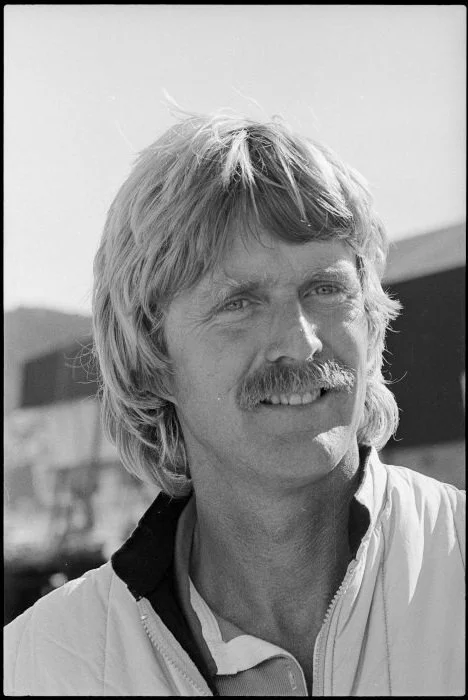
Meet Sir Peter Blake: New Zealand’s Sailing Legend and Ocean Protector
Peter Blake was born in 1948 in Wellington, New Zealand. From a young age, he loved sailing and worked hard to become one of the best sailors in the world.
In 1995, Peter led New Zealand to an incredible victory in the America’s Cup, beating the United States for the first time in 132 years! This win made him a national hero and showed what determination and teamwork can achieve.
But Peter wasn’t just about sailing he cared deeply about protecting our oceans. He traveled the world on his yacht, raising awareness about environmental issues like pollution and deforestation.
Sadly, Peter’s life was cut short in 2001 during an expedition on the Amazon River, but his legacy lives on through his foundation and the inspiration he gives to young people.
Peter’s story shows that passion and courage can change the world. What cause do you want to sail toward?
C. E. Beeby

Meet Sir Clarence Beeby: The Man Who Changed New Zealand Schools
Clarence Beeby was born in 1902 in Timaru, New Zealand. He loved learning and became a teacher, but he wanted to make schools better for everyone.
As the head of New Zealand’s education system from 1940 to 1960, Clarence worked hard to make sure all kids could go to secondary school, no matter where they came from or how much money their families had.
He helped create a school curriculum that included not just reading and math, but also arts, sports, and social studies things that prepare you for life.
Clarence also cared about Māori students and worked to include their culture and language in schools.
His work made education fairer and better for generations of Kiwi kids.
Clarence’s story shows that one person’s vision can change the future for many. How will you make a difference in your world?
Jack Lovelock

Meet Jack Lovelock: New Zealand’s Olympic Running Hero
Jack Lovelock was born in 1910 in Waikato, New Zealand. He loved running and became one of the best middle-distance runners in the world.
At the 1936 Olympics in Berlin, Jack made history by winning the gold medal in the 1500 meters. He raced smart, saving his energy for a powerful sprint at the end to beat the world’s fastest runners.
Jack’s win was New Zealand’s first Olympic gold in this event and made him a national hero. He was known not just for his speed but also for his sportsmanship and humble attitude.
Though his life was cut short, Jack’s legacy lives on, inspiring young athletes to chase their dreams with heart and strategy.
What’s your goal, and how will you race toward it?
James K. Baxter
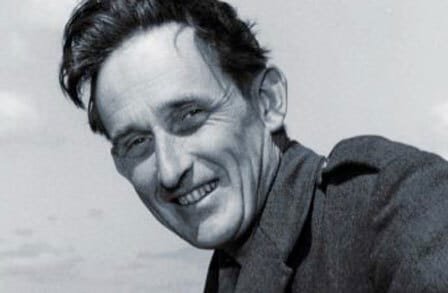
Meet James K. Baxter: New Zealand’s Powerful Poet
James K. Baxter was born in 1926 in Dunedin, New Zealand. He became one of the country’s most important poets, writing about deep feelings, spirituality, and social justice.
James didn’t just write poetry he lived it. In the 1960s, he moved to a working class neighborhood and started a community to help people who were struggling with addiction and homelessness.
His poems talk about real life the good and the hard parts and ask big questions about meaning and faith. James’s honest voice made him a unique and powerful figure in New Zealand’s culture.
Even though he faced personal challenges, his work continues to inspire people to think deeply and care about others.
James’s story shows that art can change hearts and minds. What story do you want to tell?
Fred Hollows

Meet Fred Hollows: The Doctor Who Restored Sight
Fred Hollows was born in New Zealand in 1929 and became a doctor who changed the lives of millions by helping people see again.
Fred noticed that many people in poor and remote communities were going blind from cataracts a condition that can be fixed with simple surgery. He worked hard to make eye care affordable and trained local doctors to do these surgeries.
He traveled to countries like Nepal, Ethiopia, and Vietnam to bring eye care to people who needed it most. In 1992, he started the Fred Hollows Foundation, which still helps restore sight around the world.
Fred’s story shows that kindness and determination can make a huge difference. How will you use your talents to help others?
Murray Halberg

Meet Sir Murray Halberg: New Zealand’s Running Champion and Hero
Murray Halberg was born in 1933 in Auckland, New Zealand. He loved running and became one of the best middle-distance runners in the world.
At the 1960 Rome Olympics, Murray won gold in the 5000 meters, even though he had a tough back injury. His win was a proud moment for New Zealand and showed his strength and determination.
After his running career, Murray started the Halberg Foundation to help young people with disabilities enjoy sports and feel confident.
Murray’s story teaches us that courage, hard work, and kindness can change lives. What’s your goal, and how will you make a difference?
David Lange

Meet David Lange: New Zealand’s Charismatic Leader
David Lange was born in 1942 in Auckland, New Zealand. He grew up in a working class family and studied law before entering politics.
David became Prime Minister in 1984 during a time of big changes. His government worked hard to fix the economy and introduced new policies to open up markets and cut government spending. These changes were tough but helped New Zealand grow.
One of David’s most famous achievements was making New Zealand a nuclear-free country. He stood up to powerful countries and said no to nuclear weapons in New Zealand waters, making the country a leader for peace.
David was known for his sharp wit, humor, and ability to connect with people. His story shows that standing up for what you believe in can change a nation.
What cause would you stand up for?
Thomas Edmonds

Meet Thomas Edmonds: New Zealand’s Baking Pioneer
Thomas Edmonds was born in 1835 in England and moved to New Zealand in the 1860s. He started as a chemist but soon became a successful businessman.
In 1879, Thomas created the Edmonds Food Company in Christchurch. His baking powder became a game changer for Kiwi kitchens because it made baking easier and faster.
Today, Edmonds is a famous brand in New Zealand, known for its baking powder and other tasty products that have been part of family kitchens for generations.
Thomas’s story shows that creativity and hard work can turn a simple idea into something that lasts for over 100 years. What idea could you turn into your own success?
Colin McCahon

Meet Colin McCahon: New Zealand’s Trailblazing Artist
Colin McCahon was born in 1919 in Auckland, New Zealand. He grew up in a Christian family, and his faith inspired much of his art.
Colin became famous for his bold paintings of New Zealand’s landscapes, mixing simple shapes, words, and spiritual symbols. His art shows a deep connection to the land and explores big ideas about faith and identity.
Some of his most famous works include the “I AM” series and “The Crucifixion,” which blend religion with modern art.
Colin’s work changed how people saw art in New Zealand and inspired many artists after him.
His story shows that art can be powerful and meaningful. What story would you tell through your creativity?
Colin Murdoch

Meet Colin Murdoch: New Zealand’s Inventor Who Changed Medicine and Wildlife Care
Colin Murdoch was born in 1929 in Christchurch, New Zealand. From a young age, he loved inventing and solving problems.
Colin created the disposable syringe, which made medical injections safer by preventing infections. This invention is used all over the world today!
He also invented the tranquilizer dart gun, helping vets and scientists safely care for wild animals without hurting them.
Colin’s inventions show how creativity and science can save lives and protect nature. What problem would you like to solve with your ideas?
Archibald McIndoe

Meet Sir Archibald McIndoe: New Zealand’s Plastic Surgery Pioneer
Archibald McIndoe was born in 1900 in Dunedin, New Zealand. He became a famous plastic surgeon who helped soldiers injured in World War II, especially those with serious burns.
Archibald invented new ways to rebuild faces and skin, helping his patients not just physically but also emotionally. He encouraged his patients, called the “Guinea Pig Club,” to stay active and support each other during recovery.
His work changed how doctors treat burn injuries and helped many soldiers regain confidence and live full lives.
Archibald’s story shows that healing is about more than just the body it’s about the heart and mind too. How will you help others heal?
John Clarke

Meet John Clarke: New Zealand’s Comedy Legend
John Clarke was born in 1948 in New Zealand and became one of the funniest and smartest comedians in both New Zealand and Australia.
He created the character Fred Dagg, a funny Kiwi farmer who made people laugh by poking fun at everyday life in New Zealand. His catchphrases became part of Kiwi culture!
John later moved to Australia and teamed up with Bryan Dawe to create hilarious sketches where they pretended to interview politicians. Their deadpan style made people laugh while making them think about important issues.
John’s comedy showed that humor can be powerful and help us see the world in new ways. What’s something you’d like to joke about or change?
Ettie Rout

Meet Ettie Rout: New Zealand’s Brave Health Pioneer
Ettie Rout was born in 1877 and became a fearless advocate for the health of soldiers during World War I. She noticed that many soldiers were getting sick from infections that could be prevented with the right knowledge and tools.
Ettie created special kits with condoms and hygiene supplies to help protect soldiers, even though talking openly about sex was very controversial back then. She believed that education and honesty were the best ways to keep people safe.
Despite facing criticism, Ettie’s work saved many lives and changed how people thought about sexual health.
Her story shows that standing up for what’s right, even when it’s hard, can make a huge difference. What issue would you be brave enough to tackle?
Arthur Lydiard
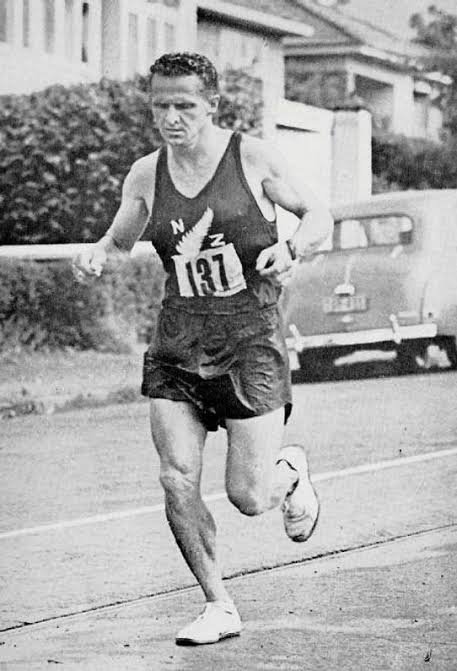
Meet Arthur Lydiard: New Zealand’s Running Coach Legend
Arthur Lydiard was born in 1917 in Auckland, New Zealand. He wasn’t just a runner he was a coach who changed how athletes train all over the world.
Arthur believed that running long distances builds the strength and stamina needed to be a great athlete. His training method, called the Lydiard Method, helped runners prepare step-by-step, starting with lots of easy running to build endurance, then adding hills, speed, and strength workouts.
His coaching helped New Zealand athletes like Peter Snell and Murray Halberg win Olympic gold medals and become world champions.
Arthur’s story shows that smart training and hard work can take you to the top. What’s your sport, and how will you train to be your best?
Te Puea Hērangi

Meet Te Puea Hērangi: A True Leader of the Waikato-Tainui
Te Puea Hērangi was born in 1883 near Pirongia and was a proud granddaughter of King Tāwhiao, the second Māori King. She grew up during tough times when Waikato land was taken, and her people faced many hardships.
Te Puea stood strong for her people. She helped build Tūrangawaewae Marae, a place where Māori could gather, celebrate their culture, and support each other. She also worked hard to get land back and improve health and education for Māori communities.
During the 1918 flu pandemic, Te Puea organized food and medical help for those in need. She believed in Māori self-reliance and worked with leaders like Sir Apirana Ngata to help Māori own and develop their land.
Te Puea’s courage and vision helped keep the Kīngitanga alive and inspired generations of Māori leaders. Her legacy reminds us all to stand up for our culture, community, and rights.
She’s a true Kiwi icon whose spirit lives on in the heart of Aotearoa.
Bill Hamilton

Meet Bill Hamilton: New Zealand’s Jet Boat Inventor
Bill Hamilton was born in 1899 in New Zealand and loved figuring out how machines work. He wanted to solve a big problem how to travel on shallow, fast rivers that regular boats couldn’t handle.
In the 1950s, Bill invented the jet boat, which uses water pushed out the back to move instead of a propeller. This meant boats could zoom through shallow rivers without getting stuck or damaged.
His jet boats became famous worldwide, even navigating the wild Colorado River in the Grand Canyon!
Bill’s invention changed how people explore rivers and helped with rescue missions and tourism. His story shows that creative thinking can solve real problems and make a big impact.
What problem would you like to solve with your ideas?
Bill Gallagher

Meet Bill Gallagher Sr.: New Zealand’s Farming Innovator
Bill Gallagher Sr. was born in 1897 in New Zealand and grew up on a farm. He loved solving problems and was curious about how things worked.
One day, his horse kept rubbing against his car and causing damage. Bill came up with a clever idea an electric fence that gave a harmless shock to keep the horse away. This simple invention changed farming forever!
Bill started the Gallagher Group in 1938, making electric fences that helped farmers keep their animals safe and farms running smoothly. Today, his company’s products are used all over the world.
Bill’s story shows that a smart idea can grow into something big and help lots of people. What problem would you like to solve?
Michael King

Meet Michael King: New Zealand’s Storyteller of History
Michael King was born in 1945 in Wellington, New Zealand. He loved learning about the past and telling stories that helped people understand New Zealand’s unique history.
Michael wrote over 30 books about both Māori and Pākehā history, showing how their stories connect and shape the country. His books about leaders like Te Puea Hērangi and Dame Whina Cooper helped many people learn about Māori culture and struggles.
One of his most famous books, The Penguin History of New Zealand, gives a clear and fair look at the country’s past from many points of view.
Michael’s work helps New Zealanders understand each other better and appreciate their shared history. His story shows that learning about where we come from can help us build a better future.
What story from your family or community do you want to share?
Frances Hodgkins

Meet Frances Hodgkins: New Zealand’s Modern Art Pioneer
Frances Hodgkins was born in 1869 in Dunedin, New Zealand. She grew up in a family that loved art, and she started painting landscapes and portraits when she was young.
In 1901, Frances moved to Europe to learn more about art. She lived in places like Paris and England, where she developed a bold, colorful style that was different from traditional painting. She became one of the first women to teach watercolor painting in Paris!
Frances painted nature, everyday objects, and people with bright colors and expressive brushstrokes. Her art showed emotions and feelings, making ordinary scenes look magical.
Though her style was new and different, Frances became famous in Europe and helped put New Zealand art on the world map.
Her story shows that following your passion and trying new things can lead to amazing success. What creative adventure will you start?
George Nēpia

Meet George Nēpia: New Zealand’s Rugby Legend
George Nēpia was born in 1901 near Ruatoria, New Zealand. He was a Māori rugby player who became one of the greatest All Blacks ever.
George played as a fullback and was known for his speed, skill, and smart game tactics. He was a key player in the famous 1924-25 All Blacks tour, where the team went undefeated in the British Isles and France.
One of his best moments was helping the All Blacks beat Wales with his amazing kicking and game sense. George’s talent and leadership made him a hero in New Zealand rugby.
Even though his career ended early due to illness, George’s legacy lives on. He inspired many Māori players and remains a symbol of excellence.
George’s story shows that talent, hard work, and heart can make you a true champion. What’s your dream on the field or in life?
Charles Heaphy

Meet Charles Heaphy: New Zealand’s Explorer and Artist
Charles Heaphy was born in 1820 in England but became one of New Zealand’s first great explorers and artists.
He helped map out New Zealand’s wild landscapes, including the rugged Southern Alps and the famous Heaphy Track, which is now a popular hiking trail.
Charles also painted beautiful pictures of the land and Māori people, giving us a glimpse into life in New Zealand long ago.
His work helped settlers understand the land and culture, and his art is still admired today.
Charles’s story shows that curiosity and creativity can help us discover and share the world around us. What would you explore or create?
Frank Sargeson

Meet Frank Sargeson: New Zealand’s Voice for Everyday People
Frank Sargeson was born in 1903 in Hamilton, New Zealand. He became one of the country’s most important writers, telling stories about the lives of ordinary New Zealanders.
Frank’s stories and novels explore themes like loneliness, identity, and the struggles people face in small towns. He used everyday language and focused on real conversations, making his characters feel like people you might know.
He lived a quiet life but was a mentor to many other writers, helping shape New Zealand’s literary scene.
Frank’s story shows that telling honest stories about real people can change how we see the world. What story do you want to share?
David Low

Meet David Low: New Zealand’s Political Cartoon Genius
David Low was born in 1891 in Dunedin, New Zealand. He loved drawing and became one of the world’s most famous political cartoonists.
David moved to England and used his cartoons to make powerful statements about politics. He wasn’t afraid to poke fun at leaders like Hitler and Stalin, showing the dangers of dictatorships with humor and sharp wit.
His cartoons helped people understand complicated political issues by turning them into simple, funny pictures.
David’s story shows that art and humor can be powerful tools to speak up and make a difference. What message would you share through your creativity?
Kate Edger

Meet Kate Edger: New Zealand’s Education Trailblazer
Kate Edger was born in 1857 in Auckland, New Zealand. She made history by becoming the first woman in New Zealand to earn a university degree a huge deal at a time when most women weren’t allowed to study at university.
Kate believed that girls should have the same chances as boys to learn and succeed. After graduating, she became a teacher and later a principal, working hard to help other girls get a great education.
She also stood up for women’s rights and was part of movements that fought for equality and the right to vote.
Kate’s story shows that breaking barriers takes courage and determination. What barrier will you break?
Marie Clay

Meet Marie Clay: New Zealand’s Literacy Champion
Marie Clay was born in 1926 in Auckland, New Zealand. She was a teacher and researcher who helped change how kids learn to read and write.
Marie created the Reading Recovery Program, which helps kids who find reading hard by giving them one-on-one support. This program is used all over the world!
She believed that talking and listening are just as important as reading and writing, and that every child deserves a chance to succeed.
Marie’s story shows that with the right help, anyone can become a confident reader. What skill do you want to master?
Aunt Daisy

Meet Aunt Daisy: New Zealand’s Beloved Radio Cook
Aunt Daisy, born Maud Ruby Basham in 1895, was one of New Zealand’s most famous radio personalities. She shared cooking tips, recipes, and home advice on her long-running show, Aunt Daisy’s Kitchen.
Growing up on a farm, Maud knew the value of practical, simple cooking. Her warm voice and friendly advice made her a trusted companion in Kiwi homes, especially during the busy post-war years.
Aunt Daisy helped families stretch their budgets and make tasty meals with what they had. She also wrote cookbooks and inspired generations of New Zealanders to love cooking.
Her story shows that sharing your passion can bring comfort and joy to many. What’s a skill or story you want to share with others?
Charles Upham

Meet Charles Upham: New Zealand’s Twice-Honored War Hero
Charles Upham was born in 1908 in Christchurch, New Zealand. He became one of the bravest soldiers in history, winning the Victoria Cross not once, but twice! This medal is the highest honor for courage in battle.
During World War II, Charles showed incredible bravery in North Africa and Italy. Even when he was injured or captured, he never gave up and always helped his fellow soldiers.
After the war, Charles returned to New Zealand and lived a humble life on a farm, never seeking fame for his heroic acts.
His story teaches us about courage, leadership, and staying true to your values. What kind of hero do you want to be?
Ralph Hotere

Meet Ralph Hotere: New Zealand’s Powerful Māori Artist
Ralph Hotere was born in 1931 in a small village in Northland, New Zealand. He was a Māori artist who used his paintings to tell stories about his culture, spirituality, and the struggles of his people.
Ralph’s art is known for its bold use of black and white and its deep meaning. He mixed traditional Māori symbols with modern styles to create powerful images that make people think.
He also used his art to speak out against injustice, like during the 1981 Springbok rugby tour protests, showing how art can be a tool for change.
Ralph’s work is displayed in galleries across New Zealand and the world, inspiring many young artists to express their own stories.
His story shows that art can be a strong voice for culture and change. What story would you tell through your creativity?
Billy T. James

Meet Billy T. James: New Zealand’s Comedy Legend
Billy T. James was born in 1948 in Wellington, New Zealand. He was a funny and talented entertainer who made people laugh with his jokes, impersonations, and physical comedy.
Billy started as a singer but soon became famous for his comedy shows on TV in the 1980s. He created characters that showed Māori culture in a fun and relatable way, helping people understand and appreciate it more.
His humor broke down barriers and brought Māori stories to the spotlight, making him a national icon.
Billy’s story shows that laughter can bring people together and that sharing your culture is powerful. What’s something you want to share with the world through your talents?
Keith Sinclair

Meet Keith Sinclair: New Zealand’s History Champion
Keith Sinclair was born in 1921 in Auckland, New Zealand. He loved learning about New Zealand’s past and helped make its history important in schools and universities.
Keith wrote a famous book called A History of New Zealand that told the story of both Māori and Pākehā people, showing how their lives shaped the country.
He believed New Zealand’s history should be told in its own way, not just as part of British history. Keith helped many students become historians and changed how people understand New Zealand’s story.
His work reminds us that knowing where we come from helps us understand who we are. What part of your story do you want to explore?
C. F. Goldie

Meet C. F. Goldie: New Zealand’s Portrait Painter of Māori Leaders
Charles Frederick Goldie was born in 1870 in Auckland, New Zealand. He became famous for painting detailed and respectful portraits of Māori chiefs and elders.
Goldie studied art in New Zealand and Europe, learning techniques that helped him capture the personalities and culture of his subjects. His paintings show the strength and dignity of Māori people during a time of big changes.
Some of his most famous works include portraits like The Old Chief and Tamati Waka Nene, which are important pieces of New Zealand’s history.
While some people think his paintings show a romanticized view of Māori culture, they remain powerful reminders of the past and inspire us to learn more about our heritage.
Goldie’s story shows that art can preserve history and honor culture. What story would you tell through your creativity?
Rudall Hayward

Meet Rudall Hayward: New Zealand’s Film Pioneer
Rudall Hayward was born in 1900 in Wellington, New Zealand. He loved photography and movies and became one of the first filmmakers to tell stories about New Zealand on the big screen.
Rudall made films about Māori culture, rural life, and New Zealand’s beautiful landscapes. His 1927 movie The Te Kooti Trail was one of the earliest New Zealand feature films, telling the story of a famous Māori leader.
Even though his films didn’t get big audiences back then, Rudall’s passion helped start New Zealand’s film industry and inspired future filmmakers like Peter Jackson.
Rudall’s story shows that following your passion can create something new and lasting. What story do you want to share with the world?
John Rangihau

Meet John Rangihau: A Champion for Māori Culture and Education
John Rangihau was born in 1928 near Whakatāne, New Zealand. He was a proud member of the Ngāti Awa and Tūhoe tribes and grew up deeply connected to Māori culture.
John believed it was important for Māori language and traditions to be part of schools. He worked as a teacher and helped create programs where Māori students could learn about both their own culture and New Zealand’s wider history.
He also helped shape laws and policies that supported Māori rights, land, and health. John wanted Māori communities to lead their own futures while keeping their culture strong.
His story shows that standing up for your culture and education can make a big difference. What part of your heritage do you want to celebrate and protect?
Jonah Lomu

Meet Jonah Lomu: New Zealand’s Rugby Superstar
Jonah Lomu was born in 1975 in Auckland, New Zealand, to Tongan parents. From a young age, he was a natural athlete with incredible speed and strength.
At just 20 years old, Jonah became famous worldwide during the 1995 Rugby World Cup. His powerful runs and ability to break tackles made him one of the most exciting players ever. One of his most unforgettable moments was when he ran over England’s Mike Catt in the semi-final a moment that changed rugby forever.
Jonah was huge tall and strong but could run like the fastest players. He inspired many young athletes, especially from Pacific Island backgrounds, showing them they could reach the top too.
Even though he faced serious health challenges, including a kidney disease, Jonah never gave up. He continued to play and later helped others through charity work.
Jonah’s story teaches us about talent, courage, and heart. What’s your dream, and how will you chase it?
Denny Hulme

Meet Denny Hulme: New Zealand’s Formula One Champion
Denny Hulme was born in 1936 in Puhoi, New Zealand. He loved racing cars and became one of the best drivers in the world.
In 1967, Denny made history by winning the Formula One World Championship the only New Zealander to ever do so! He was known for his calm and smart driving, winning races by being consistent and focused.
Denny also raced in other competitions like the famous Le Mans 24 Hours and the Can-Am series, where he won the championship in 1974.
He wasn’t flashy but earned respect for his hard work and skill. Denny’s story shows that steady determination can lead to amazing success.
What’s your dream, and how will you race toward it?
Toss Woollaston

Meet Toss Woollaston: New Zealand’s Landscape Artist
Toss Woollaston was born in 1910 near Auckland, New Zealand. Growing up on a farm, he fell in love with the natural world around him.
Toss started painting realistic portraits and scenes but later began experimenting with bold, modern styles. He became famous for his paintings of New Zealand’s wild landscapes, like Mount Cook and the Southern Alps.
His art shows how deeply connected he was to the land, using colors and shapes to express its beauty and power.
Toss’s story shows that exploring new ideas and following your passion can lead to amazing creativity. What part of your world inspires you?
Bruce McLaren

Meet Bruce McLaren: New Zealand’s Racing Legend and Innovator
Bruce McLaren was born in 1937 in Auckland, New Zealand. From a young age, he loved cars and racing, thanks to his dad who owned a garage.
Bruce started racing go-karts at 14 and quickly showed he was a natural. He moved to England to race professionally and made his Formula One debut at just 22 years old.
In 1963, Bruce started his own racing team, McLaren, which became famous for its bright orange cars and engineering brilliance. Bruce won races both as a driver and as a team leader.
Sadly, Bruce died in a crash while testing a car in 1970, but his legacy lives on. The McLaren team is one of the most successful in racing history, inspiring drivers and fans worldwide.
Bruce’s story shows that passion, talent, and innovation can change the game. What dream will you race toward?
Howard Morrison

Meet Sir Howard Morrison: New Zealand’s Music Legend
Howard Morrison was born in 1935 in Whakatāne, New Zealand. He grew up surrounded by music and learned traditional Māori songs from his family.
Howard became famous as the leader of The Howard Morrison Quartet, a group that mixed Māori music with pop and jazz. Their songs, like “The Māori Battalion,” showed pride in Māori culture and became hits across New Zealand and beyond.
As a solo artist, Howard continued to entertain with his powerful voice, humor, and passion for his heritage. He helped bring Māori music and stories to the world stage.
Howard’s story shows that music can connect people and celebrate culture. What song or story do you want to share?
John Britten

Meet John Britten: New Zealand’s Motorcycle Genius
John Britten was born in 1961 in Christchurch, New Zealand. From a young age, he loved building and fixing things, especially motorcycles.
John designed and built the Britten V1000, a super-fast and lightweight motorcycle that changed the world of racing. He made most of the bike by hand in his garage, using new materials like carbon fiber to make it stronger and lighter.
Despite having no big company backing, John’s bike competed with the best in the world and even finished second in a major race in the USA!
John’s story shows that passion, creativity, and hard work can lead to amazing inventions. What would you create if you followed your passion?
Joan Wiffen

Meet Joan Wiffen: New Zealand’s Dinosaur Discoverer
Joan Wiffen was born in 1929 in Auckland, New Zealand. She wasn’t a scientist at first but loved exploring and learning about fossils.
In the 1970s, Joan made an amazing discovery she found dinosaur bones in New Zealand! Before that, many people thought dinosaurs never lived here.
Joan’s finds showed that millions of years ago, New Zealand was part of a big land where dinosaurs roamed. Her work changed how scientists understand our country’s ancient past.
Joan’s story shows that curiosity and passion can lead to incredible discoveries, even if you start later in life. What mystery do you want to solve?
Brian Turner
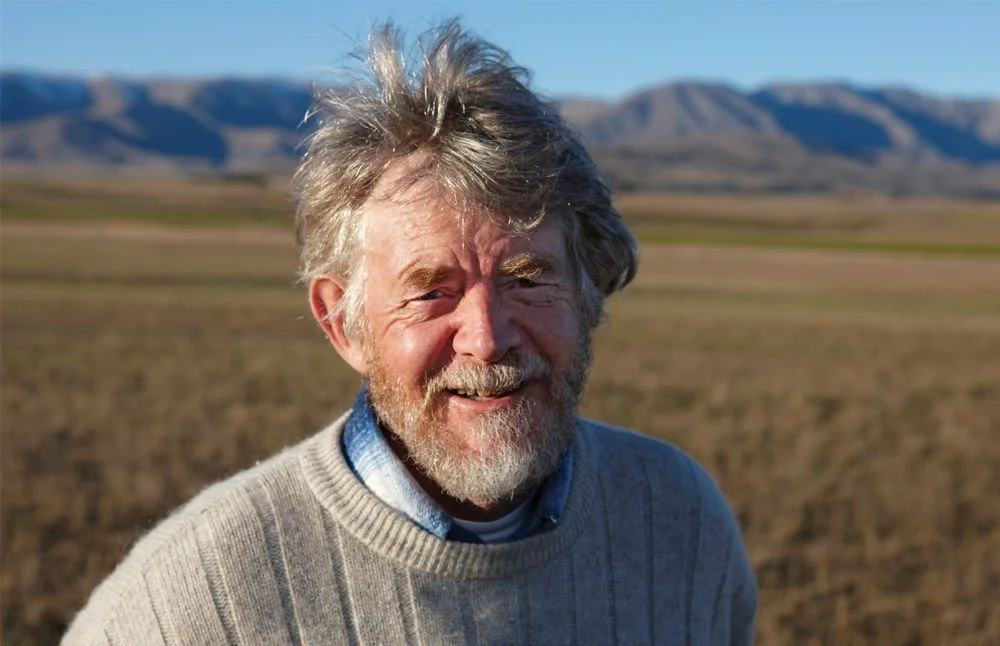
Meet Brian Turner: New Zealand’s Poet and Sportsman
Brian Turner was born in 1944 in Dunedin, New Zealand. He’s not just a poet he’s also a talented athlete who played hockey for New Zealand and competed in cricket and cycling.
Brian’s poetry often celebrates the beautiful landscapes of Otago, where he lives. His first book, Ladders of Rain, won a big prize, and he became New Zealand’s Poet Laureate in 2003, a special honor for the country’s best poets.
Besides poetry, Brian writes about fishing, cricket, and the outdoors. He’s won many awards and was recognized for his contributions to New Zealand’s culture.
Brian’s story shows that you can follow many passions and make a difference with your creativity and dedication. What passions will you explore?